

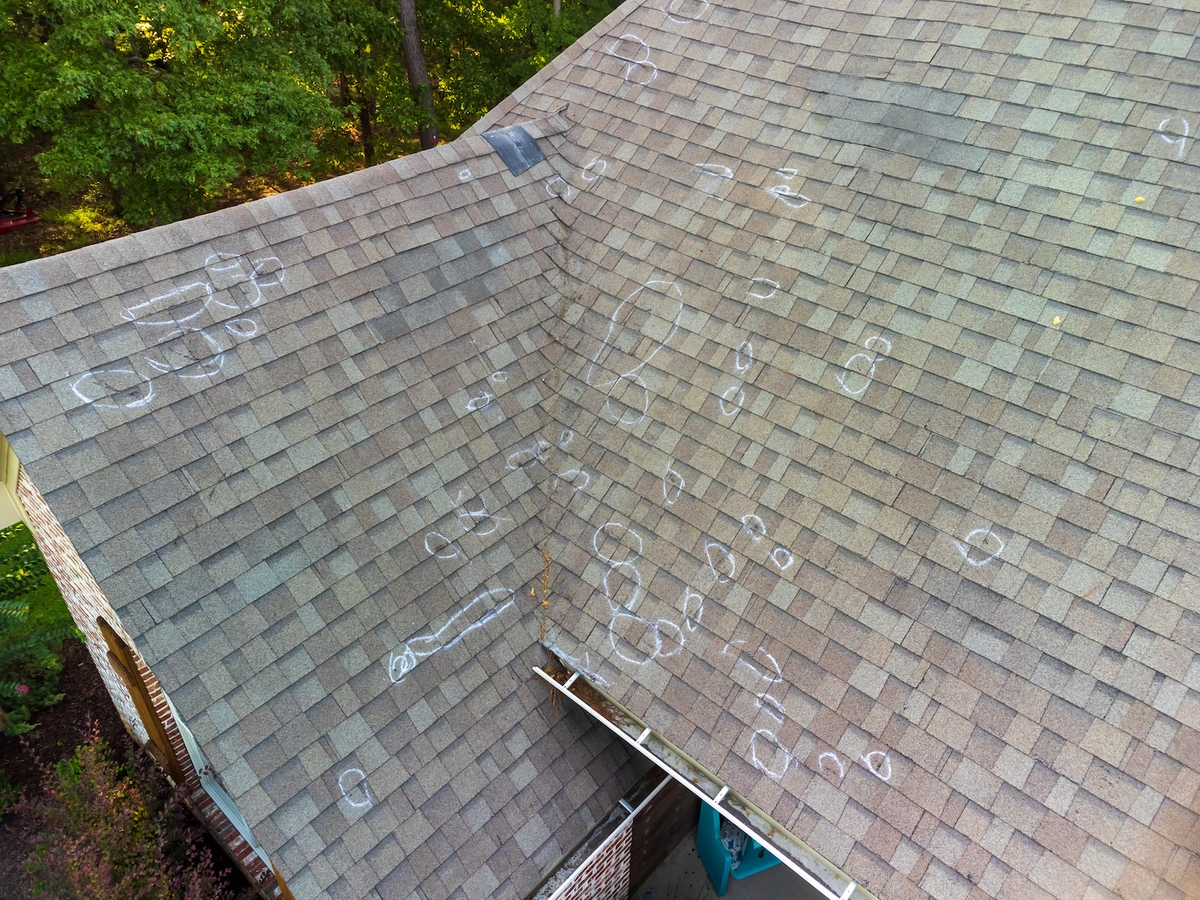
A strong and dependable roof is essential for protecting your home from rain, wind, storms, and changing temperatures. However, roofing materials do not last forever. As a roof gets older, regular exposure to harsh weather and natural wear can weaken its structure and reduce its ability to protect your property. Understanding the common reasons homeowners need a roof replacement can help you recognize problems early and make better decisions about your home’s protection. If you notice signs of roofing damage, Cascade Restoration Services can help you explore suitable roofing solutions.
1. Aging Roofing Materials
One of the most common reasons homeowners consider replacing their roofs is the natural aging of roofing materials. Every roofing system has an expected lifespan, which depends on the material, installation quality, ventilation, and maintenance.
Asphalt shingles can gradually lose their protective granules, become brittle, and develop cracks. Older roofing systems may also struggle to withstand heavy rain and strong winds. Even when visible damage appears limited, aging materials can indicate that the roof is approaching the end of its useful life.
A professional inspection can help determine whether your existing roofing system still offers adequate protection or whether replacement is the better long-term option.
2. Frequent Roof Leaks
Roof leaks are another major reason homeowners need a new roofing system. Water can enter through damaged shingles, worn flashing, deteriorated seals, and other vulnerable areas.
Initially, homeowners may notice small water stains on ceilings or walls. Over time, continued moisture exposure can damage insulation, wooden structures, drywall, and interior finishes. Repeated leaks in different roof sections may indicate widespread deterioration rather than an isolated problem.
While some leaks can be corrected with targeted repairs, extensive or recurring water intrusion may require a complete roofing upgrade.
3. Severe Storm and Wind Damage
Strong winds, hail, heavy rain, and falling tree branches can cause significant damage to residential roofs. Storms may remove shingles, loosen roofing materials, damage flashing, or expose the underlying roof structure.
Even when a roof looks normal from the ground, hidden damage can allow moisture to enter gradually. This is why homeowners should consider professional inspections after severe weather events.
When storm damage affects large portions of the roofing system, replacement may provide more dependable protection than repeatedly repairing individual sections.
4. Missing, Cracked, or Curling Shingles
Shingles act as the first line of defense against outside weather conditions. However, continuous exposure to sunlight, moisture, and temperature changes can cause them to deteriorate.
Common warning signs include:
- Missing or loose shingles
- Cracked or broken surfaces
- Curling or lifted shingle edges
- Bald spots where protective granules are missing
- Shingles collecting in gutters or around the property
A few damaged shingles may only require localized attention. However, widespread shingle deterioration can indicate that the roofing system needs replacement.
5. Structural Problems and Sagging Roof Areas
A properly installed roof should maintain a consistent and stable structure. If certain sections appear uneven or begin to sag, homeowners should take the issue seriously.
Sagging may result from prolonged moisture exposure, damaged roof decking, weakened support structures, or excessive weight. These problems can affect the roof’s overall stability and should be evaluated by qualified professionals.
Replacing deteriorated roofing materials and addressing underlying structural concerns can help restore the safety and reliability of the property.
6. Rising Energy Bills
An aging or damaged roof can contribute to poor indoor temperature control. Gaps, insufficient insulation, and ventilation problems may allow unwanted heat transfer between the attic and living spaces.
During warmer months, excessive attic heat can increase the workload on your cooling system. In colder conditions, inadequate insulation may make it harder to maintain comfortable indoor temperatures.
A properly designed roofing system, combined with suitable ventilation and insulation, can help improve energy efficiency and indoor comfort.
7. Repeated and Expensive Roofing Repairs
Occasional roofing repairs are normal, but frequent service calls may indicate a larger underlying problem. If homeowners continuously spend money fixing leaks, replacing shingles, and addressing damaged sections, the total cost can eventually become difficult to justify.
Professional Roof Repair can resolve isolated roofing problems and help extend the life of a system that remains in good condition. However, when deterioration is widespread, investing in a complete replacement may provide better long-term value.
8. Poor Previous Installation
Incorrect installation can create roofing problems even when materials are relatively new. Improperly installed shingles, poorly sealed flashing, inadequate ventilation, and incorrect fastening can reduce the roof’s durability.
These issues may lead to leaks, premature material deterioration, and recurring maintenance requirements. A professional assessment can identify installation-related problems and determine whether repairs are sufficient or a complete replacement is necessary.
How Can Homeowners Reduce the Need for Premature Roof Replacement?
Although no roofing system lasts forever, regular care can help prevent avoidable damage. Homeowners should schedule inspections, keep gutters clear, address minor leaks promptly, and check for visible damage after severe weather.
Routine Roof Maintenance can help identify small concerns before they develop into expensive problems. Keeping roofing materials in good condition also supports the overall performance and longevity of your home.
For homeowners exploring different roofing materials, our older Metal Roofing article provides another roofing topic to consider when evaluating available options.
Why Professional Roof Replacement Matters
Replacing a roof involves more than removing old shingles and installing new materials. The process requires proper inspection, material selection, preparation, ventilation considerations, and careful installation.
Experienced roofing professionals can assess the existing structure, identify hidden damage, and recommend materials suitable for the property’s needs. Quality workmanship also helps reduce the likelihood of future problems and supports the long-term performance of the new roofing system.
Choosing a reliable roofing contractor allows homeowners to make informed decisions about their investment while protecting their property.
Conclusion
Homeowners may need roof replacement for several reasons, including aging materials, recurring leaks, storm damage, deteriorating shingles, structural problems, and repeated repair expenses. Recognizing these warning signs early can help prevent more serious property damage and unexpected costs.
If your roof is showing signs of deterioration, consider arranging a professional inspection to understand its condition and available solutions. A properly installed roofing system can provide dependable protection, improve your home’s appearance, and support its long-term value.