

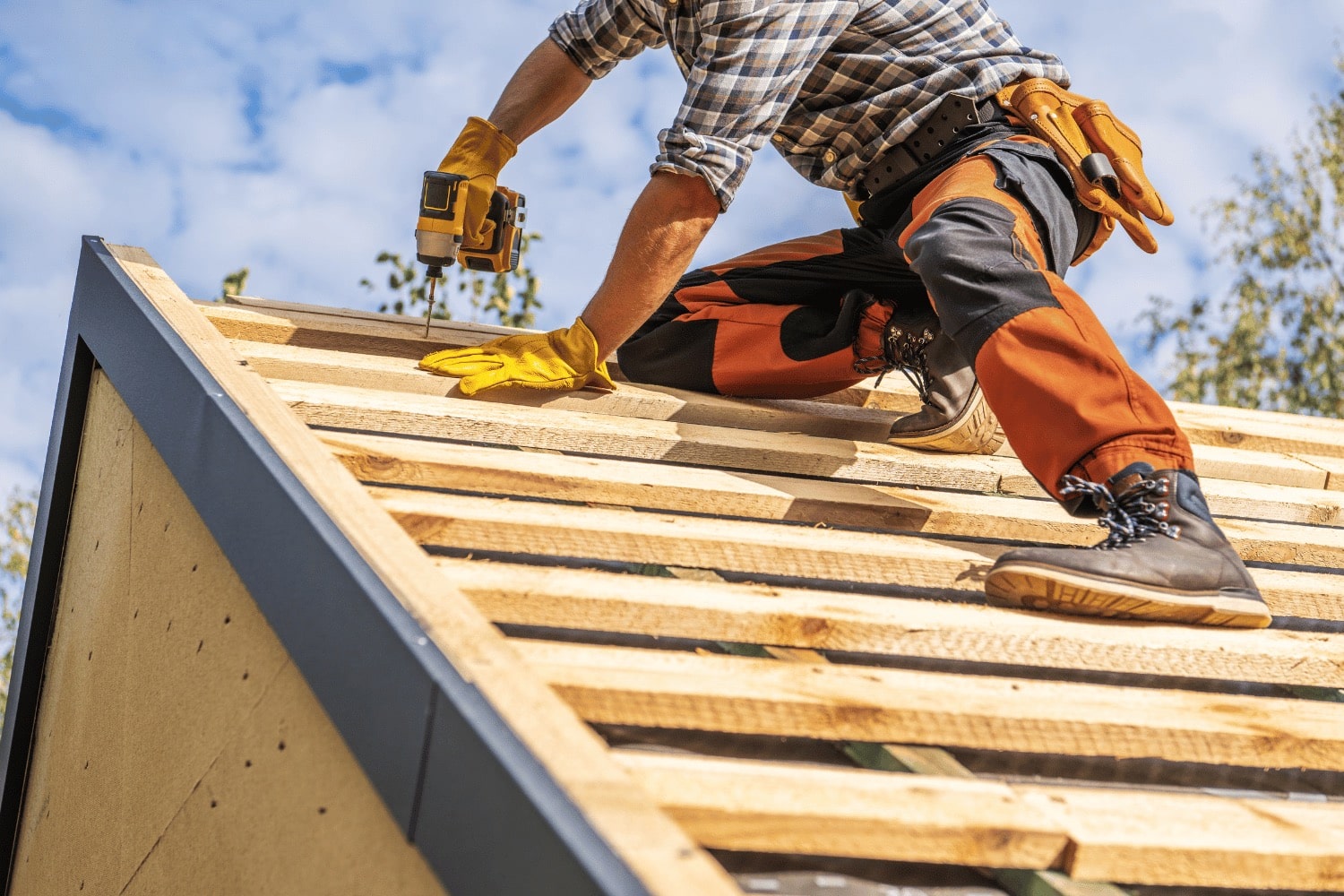
Replacing a roof is an important investment that affects your property’s protection, appearance, and long-term value. Whether your existing roof has reached the end of its lifespan or has experienced significant weather damage, understanding the process can make the project less stressful. Professional roof replacement services help homeowners address roofing problems with suitable materials, careful installation, and a planned approach. Knowing what happens before, during, and after installation can help you prepare your home and make informed decisions.
1. The Initial Roof Inspection
Every successful roof replacement project begins with an inspection. Before recommending a new roofing system, a roofing professional needs to understand the condition of the existing roof.
The inspection may include checking:
- Shingles for cracks, curling, or missing sections.
- Flashing around chimneys, vents, and roof openings.
- Roof valleys and edges for visible deterioration.
- Signs of moisture damage or previous leaks.
- Gutters and drainage components.
- Accessible areas of the roof decking.
This evaluation helps determine whether a complete replacement is necessary or whether targeted repairs may be sufficient.
Cascade Restoration Services provides roof inspections to help property owners understand their roofing conditions and available options.
2. Selecting the Right Roofing Material
Choosing the right roofing material is one of the most important decisions in a replacement project. Different materials offer different appearances, costs, maintenance requirements, and performance characteristics.
Asphalt shingles: A popular residential option available in different colors and styles. They offer a practical balance of appearance, durability, and cost.
Architectural shingles: These provide a dimensional appearance and are designed with enhanced construction compared with basic three-tab shingles.
Metal roofing: Metal systems can offer long-term durability and a distinctive appearance when properly selected and installed.
TPO roofing: Thermoplastic polyolefin is a single-ply membrane commonly used on suitable low-slope commercial roofing systems.
The best material depends on your property’s structure, roof design, budget, and performance requirements. A roofing professional can explain the available options and help you compare them.
3. Preparing Your Property for Installation
Before installation begins, homeowners should prepare the surrounding property to help the project run smoothly.
Consider taking these steps:
- Move vehicles away from the work area.
- Remove fragile items from walls and shelves.
- Protect outdoor furniture and decorations.
- Keep children and pets away from the construction area.
- Make sure contractors have appropriate access to the property.
- Discuss any specific concerns with the roofing team beforehand.
Roof replacement involves removing old materials and moving equipment around the property. Preparing in advance can help reduce inconvenience and protect belongings.
4. Removing the Existing Roofing Materials
Once the project begins, the crew typically removes the existing roofing materials according to the agreed scope of work.
This stage allows the contractor to examine the underlying roof deck and identify problems that may have been hidden beneath the old roofing system.
Possible concerns include damaged decking, moisture exposure, deteriorated underlayment, and areas requiring additional repairs.
If unexpected problems are discovered, the contractor should explain the findings and discuss any necessary changes before proceeding. Clear communication helps homeowners understand additional work and potential cost adjustments.
5. Installing the New Roofing System
After the necessary preparation and repairs are completed, the new roofing system can be installed.
Depending on the selected material and roof design, the installation may involve underlayment, drip edges, flashing, shingles or membrane materials, and other roofing components.
Proper installation is essential because each component contributes to the roof’s overall performance. Incorrect placement, inadequate fastening, or poorly installed flashing can create vulnerabilities.
Experienced contractors follow the appropriate installation requirements for the selected roofing system and manufacturer specifications.
6. Why Ventilation and Roof Details Matter
A roof replacement is an opportunity to evaluate more than just the visible roofing material. Ventilation, flashing, drainage, and other components also contribute to the performance of the roofing system.
Proper attic ventilation helps manage heat and moisture, while correctly installed flashing helps protect vulnerable roof intersections from water intrusion.
Gutters and downspouts also play an important role by directing rainwater away from the property. If these components are damaged or improperly positioned, water management problems may continue even after a new roof is installed.
Discuss these details with your contractor before the project is completed.
7. Final Inspection and Property Cleanup
Once installation is complete, the project should include a final review of the completed work.
The contractor should check that roofing materials are properly installed, flashing and other details have been addressed, and the work area has been cleaned.
Homeowners should also ask about warranty documentation, maintenance recommendations, and any specific instructions for the new roofing system.
A final walkthrough provides an opportunity to ask questions and understand how to care for your new roof.
8. How Long Does a Roof Replacement Take?
The time required for roof replacement depends on several factors, including roof size, design complexity, selected materials, weather conditions, and the amount of preparation or repair work required.
A straightforward residential project may take less time than a large or complex roof. Unexpected decking damage or unfavorable weather can also affect the schedule.
Before work begins, ask your contractor for an estimated timeline and discuss how weather delays or additional repairs will be handled.
Roof Replacement Services in Atlanta, Georgia
Homeowners in Atlanta and surrounding Georgia communities need roofing systems that can handle changing weather conditions, including heavy rain, strong winds, and seasonal storms.
Cascade Restoration Services provides residential and commercial roofing solutions, including roof replacement, installation, maintenance, asphalt shingle roofing, and TPO commercial roofing.
For additional roofing information, explore the company’s existing article collection, including its older Metal Roofing and Specialty Metal articles. These topics offer a starting point for learning about different roofing materials and systems.
You can also visit the existing roofing articles and service information to explore the company’s published roofing content.
Plan Your Roof Replacement With Cascade Restoration Services
A roof replacement involves several important stages, from the initial inspection and material selection to installation and final cleanup. Understanding each stage helps you prepare your property, compare options, and communicate effectively with your contractor.
Cascade Restoration Services focuses on roofing solutions designed to protect residential and commercial properties through quality materials and professional workmanship.
If your roof is aging, damaged, or experiencing recurring problems, arranging an inspection is a practical first step.
Ready to plan your roofing project? Contact Cascade Restoration Services at (404) 710-8784 to discuss your property, explore roofing options, and request an estimate.